

March is Colorectal Cancer Awareness Month, which makes it a good time to talk plainly about something many people quietly worry about: getting their first colonoscopy.
If you feel nervous, you are not alone. Many patients say the anticipation is worse than the procedure itself. The part people often find hardest is the bowel prep, not the colonoscopy. That does not mean prep is fun. It means there are practical ways to make it more manageable, and knowing what to expect can take some of the fear out of the experience.
Important: This post is general education only. Your prep instructions may vary based on your medical history, medications, and the prep your clinician prescribed. Always follow your Salem Gastro instructions first, and call the office if anything is unclear.
Why This Matters During Colorectal Cancer Awareness Month
The American Gastroenterological Association recommends colorectal cancer screening starting at age 45 for adults at average risk. Colonoscopy is especially valuable because it can help find colorectal cancer early and can help prevent cancer by finding and removing polyps before they turn into cancer. If you have a personal or family history of colorectal cancer or polyps, or other risk factors, ask your care team whether you should start earlier.
That is one reason this month matters so much: screening saves lives, and fear should not be the thing that keeps people from getting the care they need.
The Biggest Surprise: Prep Is Often the Hard Part
AGA patient guidance explains that fully cleaning out the colon is vital for a high-quality colonoscopy. Salem Gastro makes the same point in practical terms: an incomplete prep can lead to an incomplete procedure or the need to repeat it. In other words, finishing the prep matters because it helps your doctor get a clear view.
That is also why it helps to stop thinking about prep as an annoying extra step. Prep is part of the test. The more prepared you are for that day, the more manageable the whole experience usually feels.
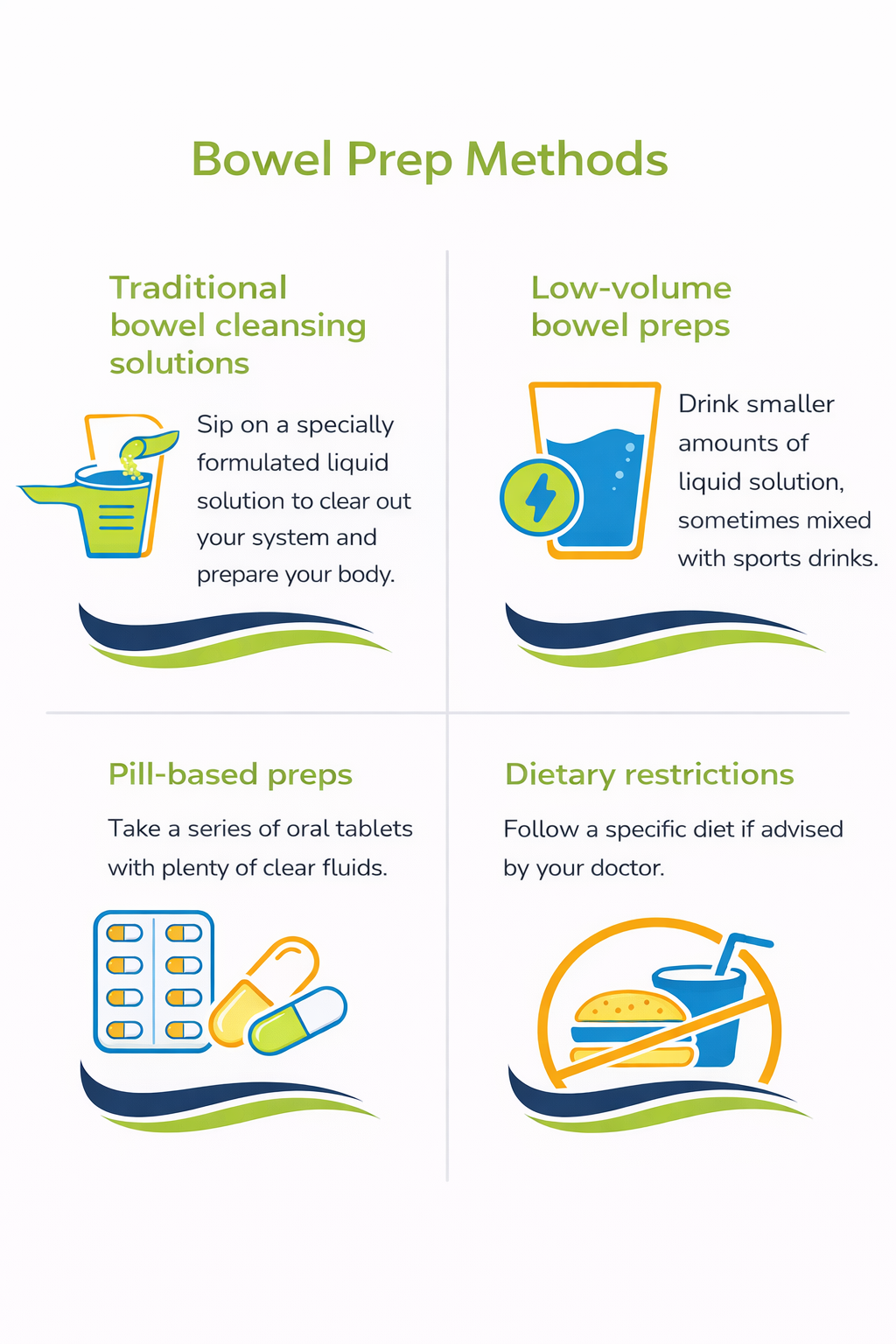
Prep plans are not one-size-fits-all. Your instructions may include a liquid prep, a lower-volume option, pills, dietary restrictions, or a combination of these steps.
Helpful Tips to Note a Few Days Before Prep Day:
Read Your Instructions Early
Do not wait until the night before. Salem Gastro’s prep instructions and FAQs make clear that timing, diet, and medication guidance can vary by patient and by prep type. Reading everything several days ahead gives you time to ask questions before you are stressed and on the clock.
Ask About Medications and Supplements Before You Start
Medication questions are worth clarifying early, especially if you take diabetes medications, blood thinners, iron, vitamins, herbal supplements, or fiber supplements. This is one of the easiest ways to avoid last-minute confusion.
Plan Your Ride Home Now, Not Later
AGA and Salem Gastro both note that if you receive sedation, you will need someone to take you home and you should not drive that day. Making a plan early removes a major day-of stressor.
Build a Simple Prep Comfort Kit
You do not need anything fancy. A few comfort items can make prep day feel much more doable.
 Clear liquids you will actually drink: Salem Gastro recommends drinking plenty of clear liquids during prep. Good options may include water, broth, tea, black coffee, gelatin, popsicles, and approved electrolyte drinks based on your instructions. (Avoid any food or beverages that are red, purple, or blue, as these can lead to issues with your test.)
 Bathroom comfort supplies: Salem Gastro’s FAQs suggest coating the area with Vaseline or Desitin before you start your laxative and reapplying as needed. Moist wipes or Tucks wipes can also help with irritation.
 Low-key entertainment: Plan to stay close to the bathroom once prep starts. A show, playlist, podcast, book, or fully charged device can make a long evening feel less overwhelming.
How to Make Prep Day Easier Without Changing Your Instructions
- Follow the schedule you were given. If your instructions use split dosing, there is a reason. Expert guidance supports split dosing because it helps bowel cleansing and can make prep more tolerable than trying to force everything down at once.
- Drink the prep cold if your instructions allow it. MD Anderson and other patient-education sources note that chilling the solution can make it easier to tolerate.
- Use a straw. This is a simple tip, but many patients find it genuinely helpful.
- Stay hydrated. Salem Gastro specifically encourages plenty of clear liquids to help prevent dehydration during prep.
- Avoid restricted colors if your instructions say to. Salem Gastro advises patients not to drink red liquids during prep. Some patient-education sources also caution against red, orange, or purple dyes, so follow the specific color guidance on your instruction sheet.
- Do not stop early just because things look clear. Salem Gastro’s FAQs say to drink the entire prep because stopping early can lead to an incomplete procedure or rescheduling.
- If the taste is the hardest part, ask what is allowed. Salem Gastro notes that lemon wedges or sour candies may help cut the taste for some patients, but only use flavor tricks that fit your instructions.
- If you throw up or feel too sick to continue, call for guidance. Salem Gastro advises patients who are having a hard time finishing prep to slow down and contact the office if symptoms continue.
What Happens on Procedure Day?
 This is the part many first-time patients are relieved to learn more about. AGA patient guidance says you are given medicine during colonoscopy to help you relax and feel sleepy, and Salem Gastro notes that most patients are sedated through an IV, sleep through the procedure, and remember little to nothing afterward.
AGA also explains that the scope itself generally should not hurt, though some people may notice cramping or fullness from the air used during the exam. Salem Gastro says the scoping portion typically takes about 15 to 30 minutes, followed by time in recovery while the sedation wears off.
Because sedation affects driving and decision-making, plan on having a responsible adult take you home and staying off the road for the rest of the day.
A Checklist for First-Timers
If you like to feel organized, save or print this checklist:
✓ Read your prep instructions a few days early and call with questions.
✓ Double-check medication and supplement instructions.
✓ Arrange your ride home before procedure day.
✓ Stock up on approved clear liquids and comfort items.
✓ Follow the prep schedule exactly and finish the entire prep.
✓ Expect an IV, sedation, and some recovery time afterward.
One Last Thing I Wish I Knew
I wish I knew that being anxious did not mean I was unprepared or overreacting. It meant I was human. A first colonoscopy can feel intimidating, especially if you have heard more scary stories than helpful ones. But the most reliable sources all point in the same direction: when patients know what to expect, plan ahead for prep, and follow their instructions carefully, the experience is often easier than they expected.
And during Colorectal Cancer Awareness Month, that is worth repeating: getting screened matters, asking questions is smart, and taking the prep seriously helps protect the quality of the exam.
Helpful Resources
- Salem Gastro Colonoscopy Prep Instructions
- Salem Gastro FAQs
- Salem Gastro Colonoscopy Overview
- AGA Patient Guide: Colonoscopy
- AGA Patient Guide: Colorectal Cancer Screening Options
- AGA Patient Guide: Colorectal Cancer (CRC)
- AGA Bottoms Up Colonoscopy Prep Tips
- MD Anderson: How to Make Colonoscopy Prep Better
If you have questions about your prep, medications, or what to expect on procedure day, call Salem Gastro at (503) 399-7520.
